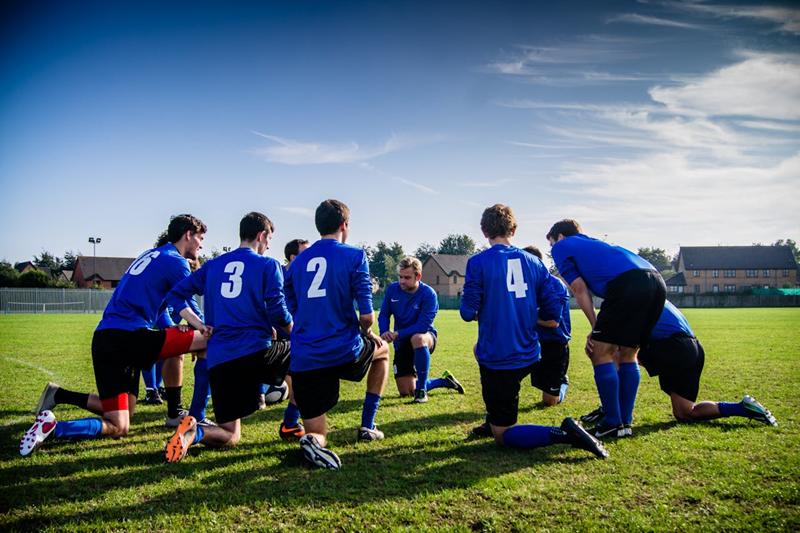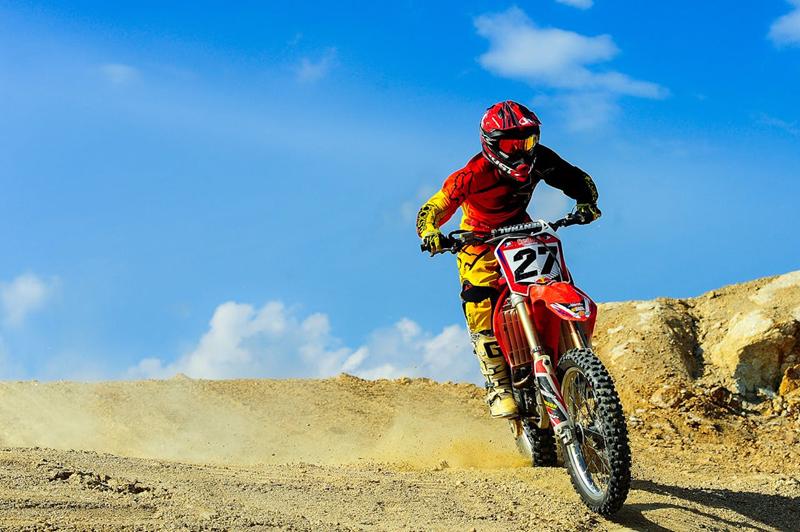
Sports hypnosis utilizes hypnotherapy techniques to enhance athletic performance by improving mental focus, managing stress, and promoting relaxation during training and competition. Athletics, Bowls, Basketball, Cricket, Cycling, Golf, Gymnastics, Horse Riding, Marathons, Mountain Biking, Netball, Road Running, Rock Climbing, Rugby, Soccer, Squash, Surfing, Swimming, Tennis and Trail Running.

Category: Injury Recovery

Case Study 00194 – 24 Dec 2025 – 30 Questions a Hypnotherapist would ask in the Assessment Session to work our a healing program to address your Sport Hypnosis and Hypnotherapy for your Injury Recovery.

Here is a professional structured set of 30 assessment questions a hypnotherapist would ask during the initial assessment session for
Case Study 00194 – 24 Dec 2025, specifically to design a Sport Hypnosis & Hypnotherapy Injury Recovery Healing Program.

These questions are sequenced to assess physical injury status, psychological readiness, fear of re-injury, pain perception, rehabilitation compliance, and hypnotic suitability.


Case Study 00194 – Assessment Session Questions

Focus: Sport Hypnosis & Hypnotherapy for Injury Recovery


A. Injury & Medical Context

  1. Can you describe the injury you are currently recovering from?

  2. When did the injury occur, and under what circumstances?

  3. What diagnosis or medical explanation have you been given?

  4. Have you had any surgery or invasive treatment related to this injury?

  5. Are you currently cleared for rehabilitation or modified training?

  6. What physical limitations have been identified by your medical or physiotherapy team?


B. Pain & Physical Experience

  1. Where do you currently feel pain, discomfort, or tightness?

  2. How would you describe the sensation (sharp, dull, pulling, burning, stiffness)?

  3. On a scale of 0–10, how intense is the pain at rest, during movement, and after activity?

  4. What movements or situations increase symptoms?

  5. What activities or positions reduce discomfort?


C. Recovery & Rehabilitation Engagement

  1. What rehabilitation or physiotherapy program are you currently following?

  2. How consistent are you with rehab exercises and recovery protocols?

  3. What challenges do you experience in following your rehab plan?

  4. How confident do you feel performing your rehab movements correctly?


D. Emotional & Psychological Factors

  1. How has this injury affected your mood, motivation, or identity as an athlete?

  2. Do you experience fear, anxiety, or hesitation when moving or thinking about returning to sport?

  3. Have you noticed frustration, anger, or discouragement related to the recovery process?

  4. How do you typically respond mentally when discomfort or pain arises?


E. Confidence, Trust & Return-to-Sport Readiness

  1. How much do you currently trust the injured area of your body?

  2. What thoughts come up when you imagine training or competing again?

  3. Do you worry about re-injury, failure, or loss of performance?

  4. What would help you feel safer and more confident returning to movement?


F. Hypnosis Readiness & Learning Style

  1. Have you had any previous experience with hypnosis, meditation, or visualization?

  2. How easily do you form mental images or imagine physical sensations?

  3. Are you open to using self-hypnosis as part of your recovery routine?

  4. Are there any beliefs or concerns about hypnosis that you would like to discuss?


G. Goals, Expectations & Commitment

  1. What would successful recovery look like for you at the end of this program?

  2. What personal strengths can support your healing and recovery?

  3. Is there anything else—physical, emotional, or contextual—that would help me design the most effective healing program for you?


Clinical Use of These Questions

These questions allow the hypnotherapist to:

  • Identify fear-avoidance and pain-conditioning patterns
  • Tailor imagery to injury stage and sport demands
  • Design graded exposure and confidence-restoration strategies
  • Assess hypnotic responsiveness and learning style
  • Set realistic, measurable recovery goals

Case Study 00194 – 24 Dec 2025 – 6 Week Sport Hypnosis and Hypnotherapy for Injury Recovery Healing Program with Hypnotherapy

Case Study 00194

6-Week Sport Hypnosis & Hypnotherapy Injury Recovery Healing Program

Date: 24 Dec 2025


Case Overview

Client Type: Athlete / Physically Active Individual
Primary Focus: Injury recovery using sport hypnosis and hypnotherapy
Secondary Focus: Pain regulation, fear of re‑injury, confidence restoration, and safe return to performance

Presenting Issue:

  • Ongoing injury recovery (muscle / tendon / ligament / joint – non-specified)
  • Residual pain and protective tension
  • Anxiety or hesitation around movement and performance

Medical Status:

  • Cleared for rehabilitation by medical or physiotherapy professionals
  • Hypnotherapy used as a complementary intervention

Program Objectives

  1. Reduce pain perception and nervous system over‑activation
  2. Support physiological healing through relaxation and imagery
  3. Restore trust in the injured body part
  4. Reduce fear‑avoidance patterns
  5. Reinforce adherence to rehabilitation protocols
  6. Prepare the athlete mentally for return to training or competition

Program Structure

  • Duration: 6 weeks
  • Hypnotherapy Sessions: 1 per week (50–60 minutes)
  • Daily Self‑Hypnosis Practice: 10–15 minutes
  • Integration: Physiotherapy / rehabilitation aligned imagery

Weekly Rhythm:

  • Session day: Clinical hypnosis and therapeutic suggestion
  • Daily: Self‑hypnosis and visualization
  • End of week: Reflection and adjustment

Outcome Measures

  • Pain intensity (0–10 scale)
  • Recovery time after rehab or training
  • Fear of re‑injury (subjective rating)
  • Confidence in movement
  • Sleep quality
  • Adherence to rehabilitation exercises

Week 1 — Safety, Stabilisation & Healing Readiness

Healing Focus: Establish safety and calm the nervous system

Hypnotherapy Focus:

  • Psychoeducation: mind–body healing
  • Induction: progressive relaxation
  • Body awareness without threat
  • Suggestions of safety and readiness to heal

Self‑Practice:

  • Daily body scan
  • Breathing regulation
  • Cue word: Calm

Expected Outcomes:

  • Reduced anxiety
  • Improved sleep
  • Less muscle guarding

Week 2 — Pain Regulation & Control

Healing Focus: Change pain perception and response

Hypnotherapy Focus:

  • Pain dissociation techniques
  • Pain transformation imagery
  • Post‑hypnotic analgesic suggestions

Self‑Practice:

  • Pain‑to‑neutral imagery
  • Use cue word during flare‑ups

Expected Outcomes:

  • Reduced pain intensity
  • Faster settling after activity

Week 3 — Tissue Healing & Recovery Imagery

Healing Focus: Support biological repair and recovery confidence

Hypnotherapy Focus:

  • Healing imagery (blood flow, cellular repair)
  • Strength and resilience suggestions

Self‑Practice:

  • Visualisation during rest and after rehab
  • Imagery paired with physiotherapy exercises

Expected Outcomes:

  • Improved recovery perception
  • Increased rehab motivation

Week 4 — Movement Confidence & Re‑Engagement

Healing Focus: Reduce fear of movement and re‑injury

Hypnotherapy Focus:

  • Graded exposure imagery
  • Safe movement rehearsal
  • Cognitive reframing of discomfort vs danger

Self‑Practice:

  • Short movement rehearsal before rehab
  • Affirmation: My body moves safely and confidently

Expected Outcomes:

  • Reduced avoidance
  • Improved movement trust

Week 5 — Performance Resilience & Load Tolerance

Healing Focus: Prepare for increased training demands

Hypnotherapy Focus:

  • Performance imagery under controlled stress
  • Anchoring calm, strength, and focus
  • Rapid self‑hypnosis techniques

Self‑Practice:

  • 2–5 minute pre‑training focus routine
  • Use anchor during challenging sessions

Expected Outcomes:

  • Improved coping with discomfort
  • Stable focus under load

Week 6 — Consolidation, Autonomy & Return‑to‑Sport Preparation

Healing Focus: Long‑term self‑management and confidence

Hypnotherapy Focus:

  • Review progress and reinforce gains
  • Install long‑term self‑hypnosis routine
  • Relapse prevention strategies

Self‑Practice:

  • Personalised daily routine
  • Written self‑hypnosis script

Expected Outcomes:

  • Independent self‑management
  • Sustained confidence and recovery

Sample Hypnotherapy Session Framework

  1. Induction and deepening
  2. Targeted therapeutic technique
  3. Positive and corrective suggestions
  4. Post‑hypnotic cues
  5. Reorientation

Ethical & Clinical Notes

  • Hypnotherapy complements medical care; it does not replace diagnosis or treatment
  • All imagery respects medical guidance and rehabilitation stages
  • Client autonomy and informed consent maintained throughout

End‑of‑Program Outcome Summary (Expected)

  • Significant reduction in pain perception
  • Increased trust in injured area
  • Improved rehabilitation compliance
  • Confident, mentally prepared return to movement and sport

I’ve created Case Study 00194 – 24 Dec 2025: a complete 6-Week Sport Hypnosis & Hypnotherapy Injury Recovery Healing Program in the canvas.

This case study is:

  • Clinically structured
  • Ethically aligned with medical/physio care
  • Ready for professional use (practice, documentation, training, or publication)
  • Consistent with your previous sport hypnosis and healing frameworks

Sport Hypnosis and Hypnotherapy for Injury Recovery

Here’s a detailed overview of Sport Hypnosis and Hypnotherapy for Injury Recovery, including mechanisms, techniques, and practical applications for athletes.


1. Overview

Sport hypnosis for injury recovery is a therapeutic approach that uses hypnotherapy to:

  • Reduce pain and discomfort
  • Speed up tissue healing
  • Enhance mental resilience and motivation during rehabilitation
  • Improve focus and adherence to recovery protocols

It’s particularly effective because recovery is not only physical – mental and emotional states strongly influence healing, pain perception, and performance.


2. How Hypnosis Supports Injury Recovery

  1. Pain Management

  • Hypnosis helps modulate how the brain perceives pain.
  • Techniques like guided imagery or dissociation can make discomfort more tolerable.
  1. Relaxation & Stress Reduction

  • Deep relaxation reduces muscle tension, lowers stress hormones (like cortisol), and improves blood flow to injured areas.
  1. Acceleration of Healing

  • Visualization and positive suggestion can enhance immune function, tissue repair, and joint mobility.
  • Athletes may visualize healthy cells repairing injured tissue or blood flow nourishing muscles and ligaments.
  1. Mental Resilience & Motivation

  • Hypnosis strengthens self-efficacy and confidence in movement after injury.
  • Reduces fear of reinjury, which is common in athletes returning to sport.
  1. Performance Maintenance

  • Even during physical downtime, athletes can mentally rehearse skills and strategies to maintain performance readiness.

3. Techniques Used in Injury Recovery

A. Induction & Deep Relaxation

  • Progressive muscle relaxation or guided breathing
  • Reduces overall stress and prepares the mind for focused healing

B. Pain Dissociation

  • Mentally separating attention from the painful area
  • Observing discomfort without emotional attachment

C. Healing Visualization

  • Imagine injured tissue repairing itself
  • Visualize energy, warmth, or light flowing to the injury site
  • Picture muscles, tendons, or ligaments regaining strength and flexibility

D. Positive Suggestion & Affirmation

  • Suggest that the body is strong, resilient, and capable of recovery
  • Reinforce confidence in returning to sport safely

E. Mental Rehearsal of Sport Skills

  • Visualizing correct technique and movement without pain
  • Helps maintain neural pathways and prevents performance decline

F. Self-Hypnosis

  • Empowering athletes to continue recovery work independently
  • Quick sessions before training, therapy, or competitions to reduce anxiety and pain

4. Benefits for Athletes

  • Faster perceived recovery time
  • Reduced reliance on pain medication
  • Improved adherence to physiotherapy or rehabilitation exercises
  • Increased focus, confidence, and mental toughness
  • Reduced anxiety about reinjury

5. Sample Session Flow for Injury Recovery

  1. Induction: Progressive relaxation, guided breathing
  2. Pain Awareness & Dissociation: Observe pain neutrally
  3. Healing Visualization: Imagine injured tissue repairing
  4. Positive Suggestion: “Your body is strong and healing every day”
  5. Mental Rehearsal: Visualize correct sport movements
  6. Reorientation: Gradually return to alert, confident state
BOOK YOUR APPOINTMENT